
Best Grease Trap Cleaning in Osceola, IN
Grease trap cleaning services in Osceola, IN. Prevent clogs, odors & compliance issues with certified technicians handling pumping, scraping & scheduled maintenance. Same-day service available. Call (855) 733-0367 for free estimates. Licensed, insured & eco-friendly disposal. 24/7 emergency service.
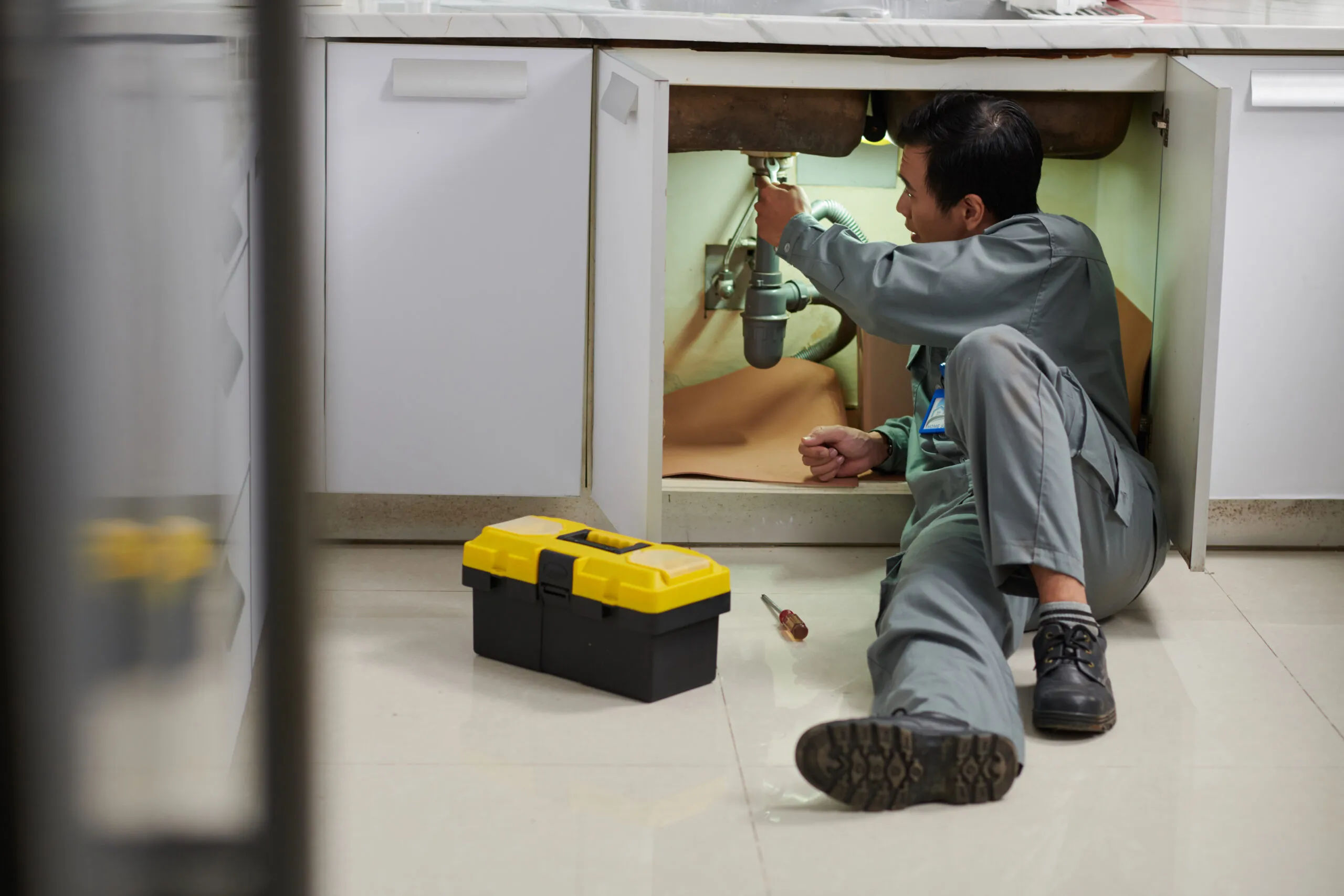

Osceola Grease Trap Cleaning Services
For a kitchen, a full grease trap is not a small problem. It means slow drains during the dinner rush, sewage backing up near your prep area, a smell that reaches your dining room, and a real risk of fines or a failed inspection. Mike The Plumber Wichita cleans grease traps and interceptors for Osceola restaurants, cafeterias, bakeries, and other food service businesses. We pump out the trap, scrape and clean it properly, inspect the parts that wear out, and keep a service schedule that fits how busy your kitchen is. Same-day service is available, quotes are upfront, and emergency help is open 24/7 in Osceola and nearby areas.
What a Grease Trap Does
Every time your kitchen washes dishes, cookware, and floors, fats, oils, and grease (FOG) go down the drain. A grease trap, or grease interceptor, slows the wastewater so grease cools, floats to the top, and stays in the trap while cleaner water flows on to the sewer. Without regular cleaning, the trap fills, stops catching grease, and sends it into your pipes and the city sewer, where it hardens and blocks the line.
Signs Your Grease Trap Needs Cleaning
- Slow draining sinks, dishwashers, or floor drains in the kitchen
- Foul, sour, or rotten odors near the trap or drains
- Grease or sewage backing up into floor drains or sinks
- Gurgling sounds from drains
- Flies and pests drawn to the trap area
- A thick grease layer visible when you open the trap
- Repeated clogs in the line after the trap
If you see any of these, the trap is probably past due. Call (855) 733-0367, and we'll clear it before it becomes a shutdown.
Our Grease Trap Cleaning Services in Osceola
- Full pump-out: All the contents, including liquid, grease, and settled solids, are removed
- Scraping and cleaning: Walls, baffles, and lids are cleaned so the trap works at full capacity
- Component inspection: We check baffles, inlet and outlet pipes, gaskets, and lids for wear or damage
- Proper disposal: Waste is hauled away and disposed of responsibly
- Service records: Documentation of each cleaning for your files and for inspectors
- Scheduled maintenance plans: Recurring service so you never have to remember
- Emergency pump-outs: Fast response when a trap overflows or a backup starts
- Line cleaning after the trap: Clearing grease buildup downstream with HydroScrub Drain Jetting when needed
Which Type of Trap Do You Have?
- Under-sink (hydromechanical) traps: Small units installed near sinks and dishwashers. They fill fast and often need cleaning every few weeks.
- In-ground grease interceptors: Large concrete or steel tanks buried outside, used by higher-volume kitchens. They hold more but need scheduled pump-outs and inspections.
- Automatic grease recovery units: Systems that skim and remove grease automatically, with their own maintenance needs.
Not sure what you have? We'll identify it on the first visit and set a cleaning plan to match.
How Often Should a Grease Trap Be Cleaned?
It depends on your trap size, how much you cook, and what you cook. A busy fryer-heavy kitchen fills a trap much faster than a small café. Many areas require cleaning at least every 90 days, and many plumbers and inspectors use the 25% rule: clean the trap when grease and solids reach about a quarter of its liquid depth. Small under-sink units commonly need service every few weeks, and larger interceptors may go a few months between pump-outs. Your local rules may be stricter, so check with your city or sewer authority, and we'll build the schedule around them.
Staying Compliant and Passing Inspections
Cities and sewer utilities regulate FOG to protect their sewer lines, and food service businesses are usually responsible for proving they maintain their traps. Inspectors may ask to see:
- Cleaning dates and service records
- Evidence of proper waste disposal
- A trap in good working condition, with intact baffles and lids
- Compliance with local size and installation requirements
Our service records help you show your trap is maintained. If an inspector flags a problem with your trap installation or plumbing, our Plumbing Code Compliance team can help fix violations and handle permits.
How Our Service Works
- Call (855) 733-0367: Tell us about your kitchen, trap type, and when it was last cleaned.
- Quote and schedule: You get an upfront price, and we book a time that avoids your busiest hours when possible.
- Pump and clean: We remove the contents and clean the trap thoroughly.
- Inspect: We check the baffles, seals, and pipes and tell you what, if anything, needs attention.
- Record and plan: You get your service record and a recommended cleaning schedule.
Keep Grease Out of Your Lines
Cleaning is the main defense, and these habits help it work better:
- Scrape plates and pans into the trash before washing
- Never pour fryer oil or grease down a drain, and use a recycling container instead
- Use drain strainers to catch food solids
- Don't run very hot water through the trap to "melt" grease, because it only pushes grease further down the line
- Keep a cleaning log on-site so staff and inspectors can see the history
When Grease Has Already Caused a Backup
If grease has already blocked the line, cleaning the trap alone may not fix it. We handle the full picture:
- Emergency Drain Service for urgent sewage backups
- Clogged Drain Repair to clear stubborn blockages with snaking and camera inspection
- Sewer Odor Removal when the smell lingers after cleaning
- Pipe Descaling for lines coated with hardened grease and mineral deposits
- Pipe Relining if grease and age have damaged the pipe itself
For larger kitchens, multi-tenant buildings, and food courts, our Commercial Plumbing Repairs team can look after the rest of your plumbing under one point of contact.
What Affects the Cost of Grease Trap Cleaning?
Pricing depends on the trap size and type, how full it is, how often it has been cleaned, how easy it is to access, and whether the visit is scheduled or an emergency. Regular service usually costs less per visit than waiting until the trap overflows, and it protects you from the much bigger cost of a backup, cleanup, or fine. You get an upfront quote before work starts.
FAQs
How often should a commercial kitchen clean its grease trap?Many areas require it at least every 90 days, and busy kitchens often need more frequent service. A common rule is to clean once grease and solids reach about 25% of the trap's liquid depth.
What happens if I don't clean my grease trap?It overflows or stops catching grease, which leads to backups, bad odors, clogged sewer lines, pest problems, and possible fines or closure from local authorities.
Can I clean a grease trap myself?Small under-sink units can be cleaned in-house in some cases, but waste must be disposed of properly and many jurisdictions require licensed service and records. Larger interceptors need professional pump-out equipment.
Is a grease trap the same as a grease interceptor?They do the same job. Grease trap usually describes smaller indoor units, and grease interceptor usually describes larger in-ground tanks.
What causes grease trap odors?Decomposing grease and food solids. A full trap, damaged seals, or a dried-out trap can all make smells worse. Regular cleaning usually solves it, and Sewer Odor Removal can help if the smell persists.
What do you do with the grease you remove?It's hauled off and disposed of responsibly. We never dump it back into the sewer system.
Do you offer scheduled grease trap service?Yes. We can set up recurring cleanings so your trap stays on schedule and your records stay current.
Can you help if my trap is overflowing right now?Yes. Call (855) 733-0367 for emergency service, available 24/7 throughout Osceola.
Professional Grease Trap Cleaning in Osceola, Indiana

Services Provider

Order Served

5 Star Received

Best Grease Trap Cleaning in Osceola, IN
Best Emergency Plumber in Osceola
When Osceola homeowners face a plumbing emergency in Indiana's unpredictable midwestern climate, choosing the right Emergency Plumber Osceola contractor means the difference between a fast resolution and a water disaster that causes serious damage inside the Hoosier State's mix of aging small-town homes and growing suburban communities. Mike The Plumber Wichita understands Indiana's unique plumbing challenges from harsh midwest winters that freeze pipes in poorly insulated older homes across rural Indiana to heavy spring flooding along river valleys that overwhelms aging drainage systems throughout Osceola communities. We deliver fast, certified solutions that Indiana families trust when seasonal extremes push plumbing systems beyond their limits without warning.
Serving Osceola With Expertise Indiana Homeowners Deserve• 24/7 Emergency Response — day or night, we're always ready when Osceola needs us most
• Licensed & Insured Professionals — fully compliant with Indiana state plumbing regulations
• Transparent Pricing — no hidden fees, no surprise charges, no exceptions
• Same-Day Service — because Indiana plumbing emergencies in Osceola simply cannot wait
• Guaranteed Workmanship — every repair backed by our 100% satisfaction guarantee
• Indiana Climate Expertise — trained to handle midwest freeze damage, spring flood drainage issues, and aging small-town infrastructure specific to Osceola
• Highly Rated by Osceola Customers — trusted by hundreds of satisfied Indiana homeowners
Call (855) 733-0367 now available 24/7.
Grease Trap Cleaning in Indiana Cities
Akron / Albany / Albion / Alexandria / Anderson / Angola / Arcadia / Argos / Attica / Auburn / Aurora / Austin / Avilla / Avon / Bargersville /